
Ledelsen i TUH

Som administrativ og akademisk drivkraft rummer TUH et Academy for Technology in Health med to faglige ledere, koordinerende professorer, koordinerende uddannelsesansvarlige og en række støttefunktioner, der skal sikre smidige processer og facilitere samarbejde på tværs.


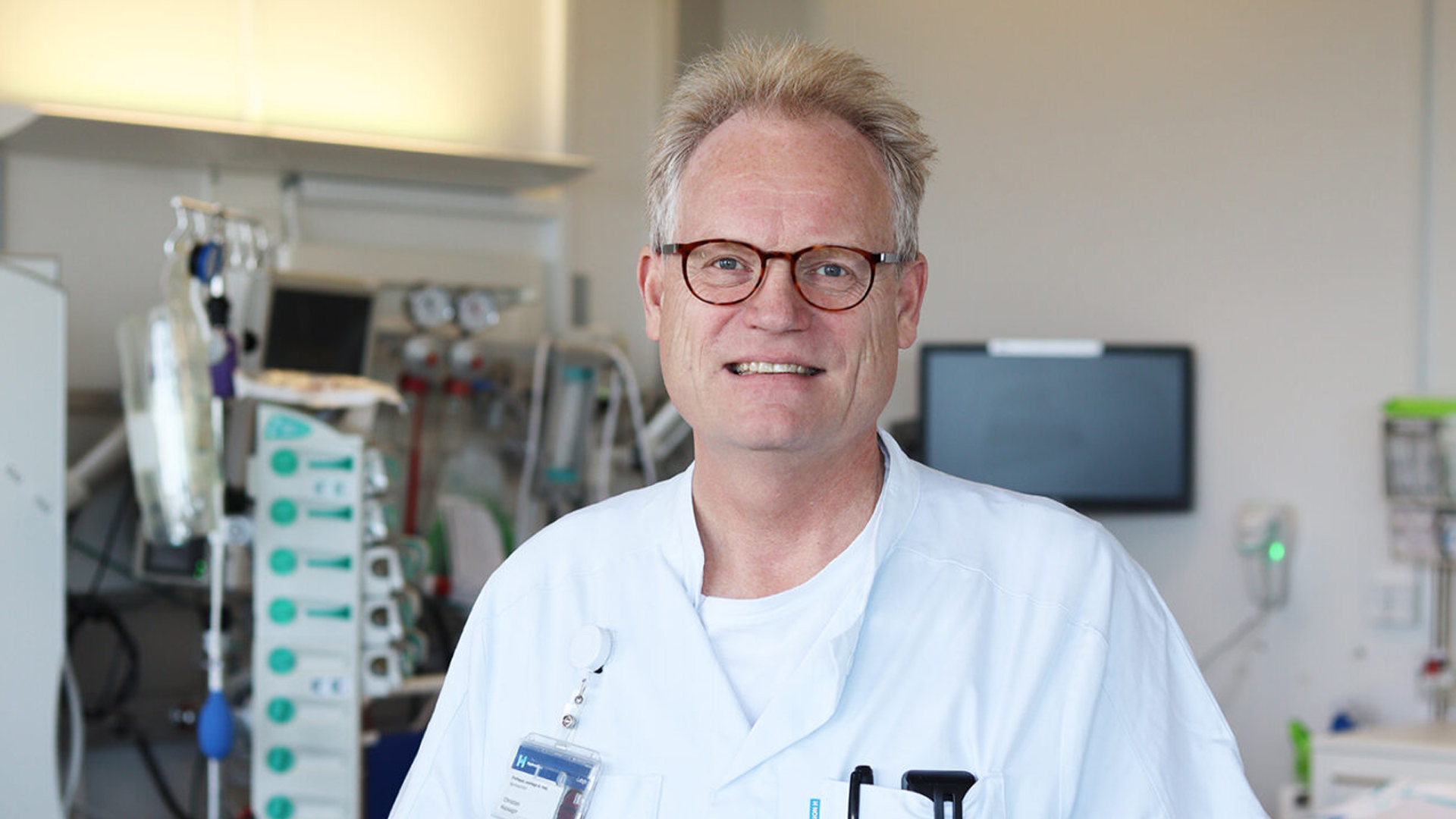
Christian Hassager 

Akademisk leder af TUH. Professor, Hjertecentret, Rigshospitalet

E-mail: christian.hassager@regionh.dk

Om Christian Hassager:

Christian Hassager er uddannet som hjertelæge og ansat som overlæge på Rigshospitalets hjerteafdeling. Han er tillige professor i kritisk sygdom på Københavns universitet samt associeret professor i kardiologi på Syddansk universitet. Han har tidligere været formand for Dansk Kardiologisk Selskab, Dansk Råd for Genoplivning samt Hjerteforeningen. Internationalt har han været præsident for Association for Acute CardioVascular Care og han er aktuelt vise-præsident for European Society of Cardiology.

Hans forskning fokuserer på de mest syge hjertepatienter, og særligt dem med kredsløbs-shock og hjertestop


The Heart Centre at Rigshospitalet is a leading institution for cardiovascular and infectious disease research, integrating scientific advancements into clinical practice. Research spans five specialized departments, with a strong focus on cardiopulmonary surgery, vascular surgery, and clinical nursing through the IMPACT research unit. The Department of Infectious Diseases conducts studies on HIV, hepatitis, tuberculosis, cystic fibrosis, neuroinfections, and tick-borne diseases, notably contributing to the Danish HIV Cohort Study. With dedicated research committees, strong collaborations, and international recognition, including the 'Global Excellence in Health' award, the Centre advances research in diagnostics, treatment, and patient care while promoting scientific knowledge and academic development.


Susanne Brix Pedersen

Akademisk leder af TUH, sektionsleder og professor ved DTU Bioengineering

Email: sbrix@dtu.dk 

Om Susanne brix Pedersen:

Susanne Brix Pedersen er professor på Institut for Bioteknologi og Biomedicin (DTU Bioengineering), hvor hun er leder af sektionen for Medical Biotechnology og gruppeleder for forskningsgruppen Disease Systems Immunology. Hendes forskning fokuserer på cellulær signalering i immunceller, herunder hvordan vores immunsystem reguleres og påvirkes af forskellige sygdomsfremkaldende mikroorganismer, tarmens mikrobiota og fødevarekomponenter – fra tidlig barndom til sent i livet.

Susanne sidder ligeledes som forperson i rådet for Teknologi og Produktion i Danmarks Frie Forskningsfond.

The Department of Biotechnology and Biomedicine (DTU Bioengineering) is an international leader in biotechnology and biomedicine committed to engineering the molecules of life for a sustainable and healthy future. With an engineering-driven approach, the department brings unique expertise to the growing bio-based economy and the transformation of health systems toward personalized medicine.  DTU Bioengineering's mission is to advance knowledge and technology for understanding biological and molecular systems, contributing to sustainable bioprocesses and improved human and planetary health.
The department addresses societal and scientific challenges through research, education, and innovation in microbiology, biomedicine, nanotechnology, and biotechnology. Key research sections include Medical Biotechnology, Microbial and Chemical Ecology, Synthetic Biology, and Protein Chemistry and Enzyme Technology.
Secondary Metabolites (CeMiSt), further driving innovation and supporting the UN Sustainable Development Goals. Research at DTU Bioengineering is supported by seven highly specialized research infrastructure facilities and a research data hub.